They're stealing your face (and you signed the permit)
If you're walking down the street, perhaps distracted, and a stranger sneaks up behind you, reaches into your back pocket, and steals your wallet, what do you do? You scream. You call 911. If you're quick on your feet, you might even clamp his wrist. For sure. you don't shake his hand thanking him for his interest.
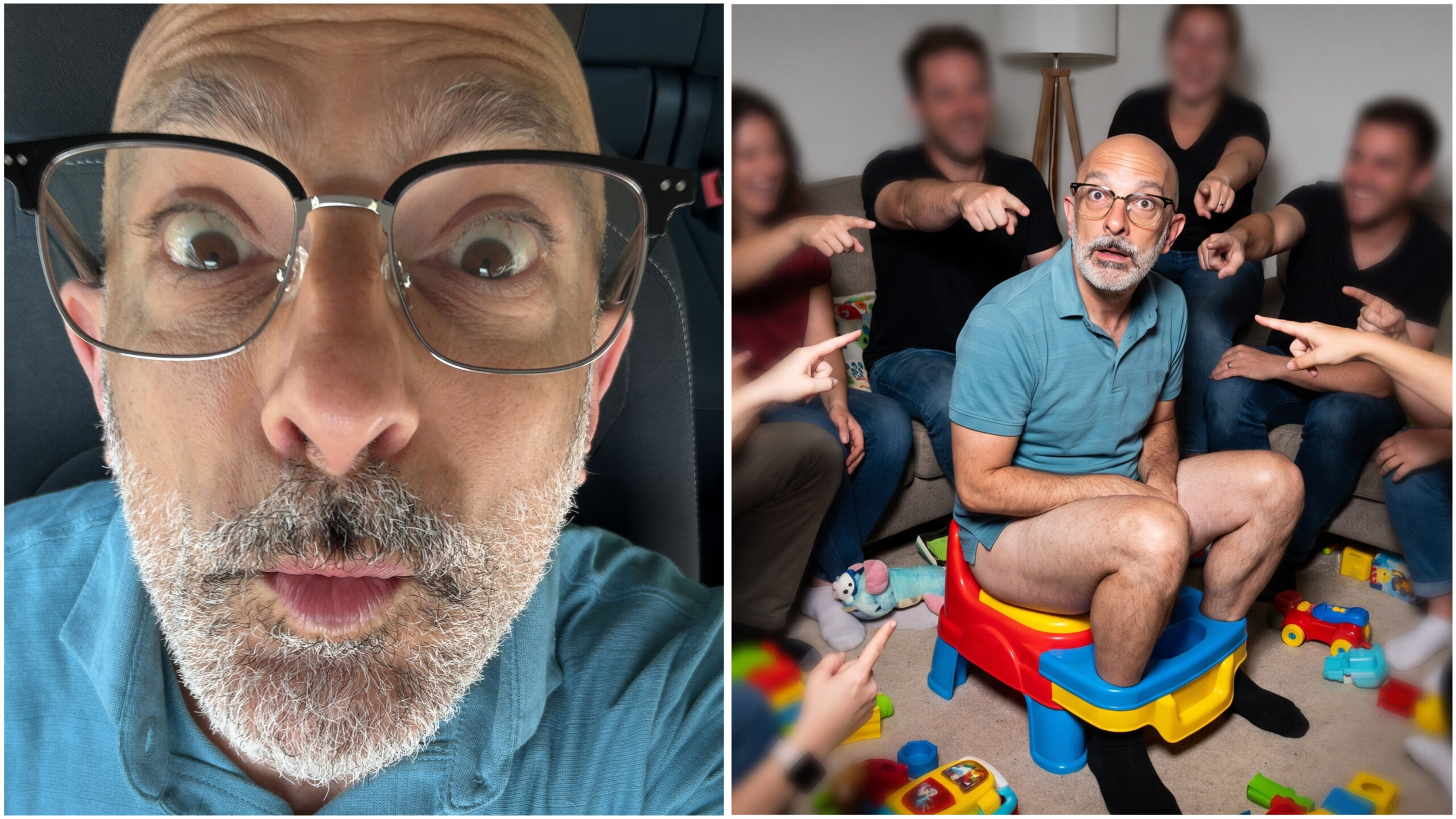
Yet, on the screen of the smartphone you're holding in your hand right now, the exact same thing is happening. Only the pickpocket is wearing a Silicon Valley corporate polo shirt, has a billion-dollar turnover, and, most hilariously, is holding a contract in his hand. you yourself countersigned the theft.
Welcome to the age of Muse Image, Meta AI's latest gift. A silent update that turns our Instagram profiles into a free-for-all for anyone's prompts.
The Mechanism: How Legalized Pickpocketing Works
The whole thing is disarmingly simple, almost elegant in its parasitic brazenness. Meta has integrated this new artificial intelligence model directly into Instagram, WhatsApp, and Meta AI.
It works like this: Any user (a stranger, a bot, your neighbor you had a parking fight with) opens the AI chat, types a text prompt, and slaps a tag in. your tag: @username.
At that point, the algorithm doesn't do a Google Image search. No, it goes straight to your public profile. It takes your photos, your Reels, your memories, the close-ups where you thought you looked particularly good, and uses them as visual reference. .Want to see me dressed as a Roman legionary doing Zumba on a table? Just one click. Want to post the face of a girl with a public profile in a context that's ambiguous, ridiculous, or completely unrelated to her wishes? Go ahead, it's on the house.
Your visual identity is no longer yours: it has become a pixel brick chewed, digested and spat out by a synthetic image generator.
[Your public profile] → 🤖 META AI (Data Chewing) → [Cloned Image]
The Silence Trap: No Scream, No Notification
But the real perversion of this dynamic doesn't even lie in the technology itself. It lies in the silence management.
We grew up inside a platform that trained us like Pavlov's dogs with notifications: “Tizio liked it”, “Caius commented”, “Sempronio shared your Reel” o “He used your sticker in the remixes”. If someone taps on your content in a traditional way, Instagram sends you a notification. It alerts you.
If, however, the artificial intelligence of a complete stranger clones your features, the silence is absolute. No notifications. Zero. You could have your face floating around a thousand Meta chats as an AI-generated meme and you you will never know. It's the perfect mugging: the one where the victim continues walking down the street convinced he still has his wallet in his pocket.
Collateral Damage: "Algorithmic Moms" and the Theft of the Future
If the violation of our privacy as consenting adults makes our stomachs turn, there's a next level that's literally scary. I'm talking about that narcissistic storm which pushes legions of parents – mothers in particular, struck by a compulsive need for social approval – to publish hundreds of photos of their children, from their first cries to dance recitals, which are then splashed across the internet.
Experts, psychologists and the police have been warning for years about the immense dangers of sharing. But no, the standard response, delivered with that tone of feigned naivety that gives you hives, is always the same: «But I only share them with the people closest to me!».
Sure, of course. Too bad that from today, if the profile is public, those "closest people" officially also include Muse Image. Those mothers, too busy counting the little hearts to realize that they have done a huge damage, are literally giving childhood as a gift, the faces and future identities of their children into an artificial meat grinder. Those children will find themselves at eighteen with a face that has already been cloned, sampled, and fused into thousands of synthetic images around the world. This isn't sharing, it's digital illiteracy on the rise disguised as maternal affection. A legitimate robbery at the expense of those who cannot yet defend themselves.
The Opt-Out Scam (It's Your Fault)
And here we come to the masterpiece of the Menlo Park lawyers: The setting is active by default.
It didn't go like that: “Hey, would you like to lend us your face so we can entertain the internet?”. No. They have decided that if you are of legal age and have a public profile, your life, your physical features and your photos they belong to them. Period. Unless you, armed with patience, a flashlight and a map of the dungeons, manage to find the option to opt-out hidden in the depths of the privacy settings to manually deny consent.
They've turned the basic concept of private property on its head. It's as if the state decided that starting tomorrow, anyone could enter your garden and take your plants, and if that bothers you, well, you'd have to fill out a form at the police station asking to have your azaleas back.
There are automatic exceptions, of course: private profiles are excluded, and for minors under 18, reuse is limited to those who follow each other. But for everyone else, the hunt is on.
Where does beauty end?
This space, for me, is a garden. Every thought I plant, every audio track I record, every single image I upload is a fragment of a saved world. It's a act of visual resistance, a search for meaning that has nothing to do with social media bulimia.
I only use social media as a bridge, and now not even that anymore. A road sign that says “Hey, if you're looking for something real, this is the way to go.”. I never wanted my blog to become a slave to those rules, but today the situation has reversed: we are no longer the ones following the rules of the algorithm, it is the algorithm that comes to feed directly on our lives to survive.
If the price to pay for sharing your art publicly is selling off your visual identity, maybe it's time to start doing something about it. scorched earth around these digital cages.
PS: I've been shouting these things for years, now I feel like a Cassandra... if you don't want to hear it, go ahead.

Digital creative, musician, and storyteller. I explore the intersection of humanity and technology, telling stories of AI, music, and real life. Welcome to my organized mess.”

One Comment