Buying Vinyl in 2026: An Act of Cultural Insurrection
(i.e.: a medium 12-inch finger)
It's 2026. We have gadgets in our pockets with the computing power that would have sent Apollo 11 to Mars — and back — at least fifteen times. We have Spotify, Apple Music, Tidal, Amazon Music: monstrous platforms that, for the price of a few coffees at the bar, open the doors to all the music produced by humanity. From Gregorian chant to This Morning. It weighs nothing, it takes up little space, it all fits into a millimeter of silicon.
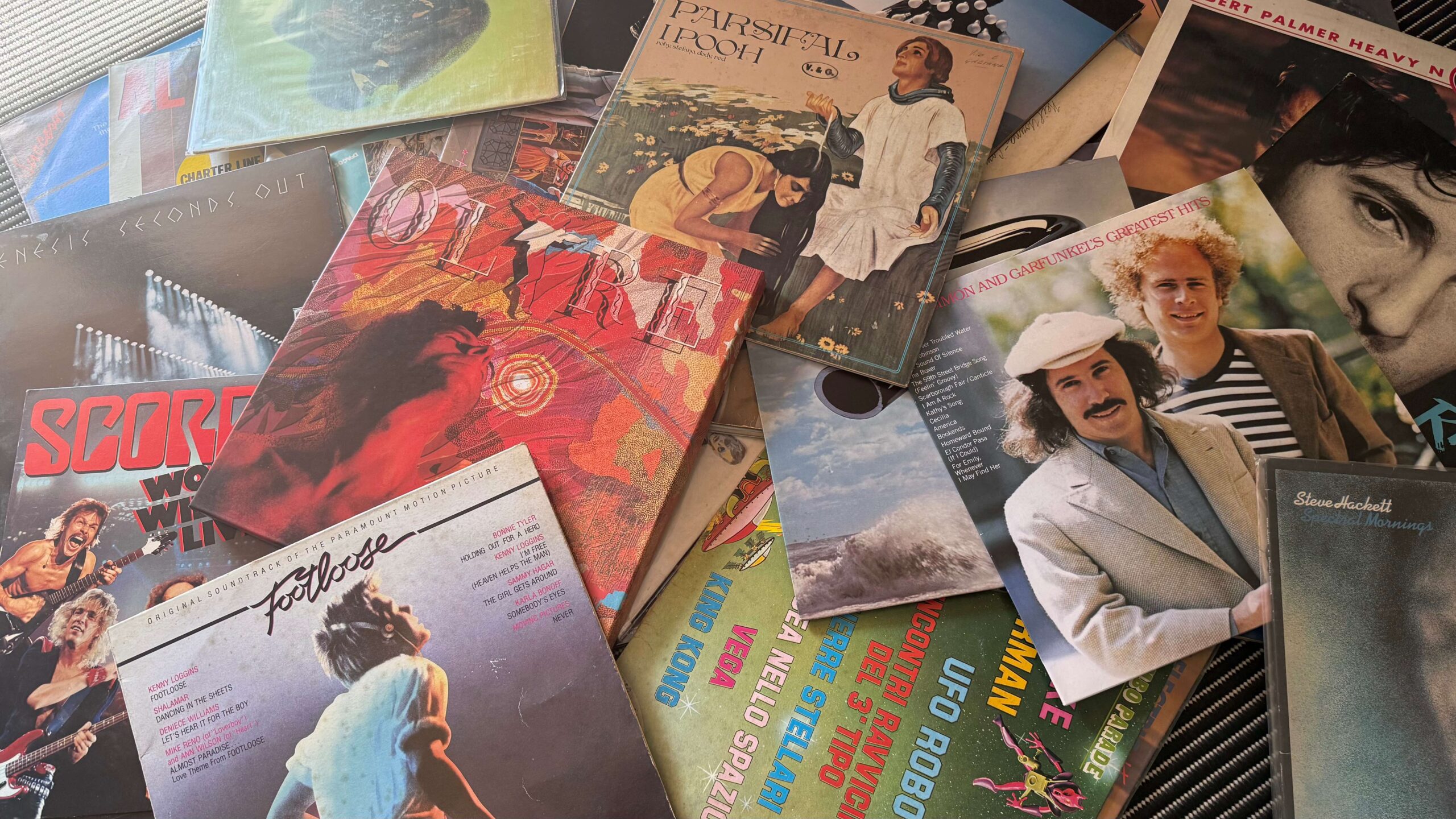
And yet, at this very moment, there's a handful of crazy people leaving their homes, walking into a physical store—or waiting for the delivery with the anxiety of a child on Christmas morning—spending forty euros and taking home a piece of black plastic. New or used, be it. Heavy. Bulky. Delicate. An anachronistic object that you have to clean with a brush, place on a plate and – to top it all – turn over halfway after listening to it after just twenty minutes.
Pure nostalgic madness? Retrograde fetishism? No.
In 2026, buying a vinyl record is an act of cultural guerrilla warfare. An armed insurrection against the Matrix.
Attention Atrophy and the Skip Dictatorship
To understand vinyl's success today, you don't have to look at major label sales reports. You have to look at the brain damage liquid streaming is causing us.
Digital platforms weren't created to let you enjoy music. They were created to charge off your data and your impatience. The algorithm knows you. It knows that your attention span has been reduced to that of a goldfish after years of compulsive scrolling. That's why producers today compress intros, eliminate guitar solos, and squeeze the chorus into the first ten seconds: if you don't hook the user right away, they'll skip.
We are slaves of the skip dictatorship. We consume music like at a service station buffet: a bite here, a bite there, no one really stopping to chew. Music has become background noise to fill the silence while we do other things. A disposable background to fill stories or get our asses moving at parties.
Vinyl sabotages this perfect mechanism. It blows it up.
The sacred ritual of linear time
When you buy a vinyl record you're not spending forty euros on plastic. You're buying the right to take 45 minutes of linear time. A digital detox forced — and wonderful.
There's no shuffle button on the turntable. You can't skip it if you don't like the third track in the first three seconds: to skip it, you'd have to get up, grip the tonearm with the precision of a mine-clearing expert, and risk scratching forty euros worth of records. So you stay seated. And listen.
Here's why vinyl is a weapon of resistance:
- It requires active listening. It forces you to look at the cover, read the credits, figure out who played what and why.
- Reset notifications. No WhatsApp banner or LinkedIn notification will interrupt the solo at its best.
- Respect the work of art. You accept the musician's narrative from start to finish—including the less immediate tracks that the algorithm would have discarded, but which are often the true masterpieces hidden in the middle of a B-side.
It's an intimate and naked conversation with the work. The same one I seek when I lock myself in the studio to record. eight-minute progressive metal suite which the record industry considers as commercial as a concrete brick.
A twelve-inch middle finger to streaming
Let's be clear: this is not a question of sonic purity. Let's leave the debates about warm frequencies and romantic hisses to audiophiles with thousand-euro gold cables and solid walnut platters. The point here is purely political and ethical.
Vinyl is the physical demonstration that complexity still has value. That there is still a segment of humanity that refuses to be fed with the cognitive comfort food fifteen-second clips. It's the reclamation of slowness against the liquid frenzy that's emptying our brains.
Locking yourself in your room, putting down the needle, and watching that black circle spin at 33 rpm is the biggest fuck you you can give Big Tech. The algorithm can't track your eyes as you look at the cover artwork. It can't suggest a related song while you're immersed in the title track. You're free. Finally, out of the box.
The skip's dictatorship has won almost everywhere.
But not on my plate.
The diary stays open, the coffee flows, the needle rests on the groove. And we continue to make noise—strictly analog.
“I seek beauty everywhere. And if I don't find it, I create it.”
(Sometimes a piece of black plastic is enough to keep it safe.)

Digital creative, musician, and storyteller. I explore the intersection of humanity and technology, telling stories of AI, music, and real life. Welcome to my organized mess.”