
Aurora and Yes' 58 years of love
There's always something mystical, almost religious, when a band that made prog-rock history releases an unreleased work. We're talking about Yes, the band that shaped entire generations of musicians. Even if you're not familiar with the genre, who hasn't hummed or simply nodded their head to the opening riff of Owner Of A Lonely Heart?
Yet, if a band like this has been one of the cornerstones of your musical education, the moment of listening to it brings with it a shiver of fear: what if I'm disappointed this time? Press play and experience those suspended moments. It's a mix of emotion, visceral curiosity, and the fear of seeing a legend shattered.
But with the new single Aurora, the very first few seconds are enough to… feel at home. Because the true magic of Yes today is that they have managed to do something completely different while remaining true to themselves.
What is "Aurora," the 7-minute act of rebellion?
Aurora It's the title track and the first single from Yes's twenty-fourth studio album, scheduled for worldwide release on June 12, 2026, via InsideOutMusic/Sony Music. This isn't just rehashed soup or tiredly repetitive melodies. This song embodies the brilliance, the desire to experiment, and that unique mix of complex elements that miraculously work so well together.
This is why this return is so significant:
- A rebellion against time: Aurora It's exactly 7 minutes and 27 seconds long. In an era dominated by "shorts," TikTok reels, and disposable songs designed to hold attention for a few moments, this is a statement of intent. It demands attentive listening.
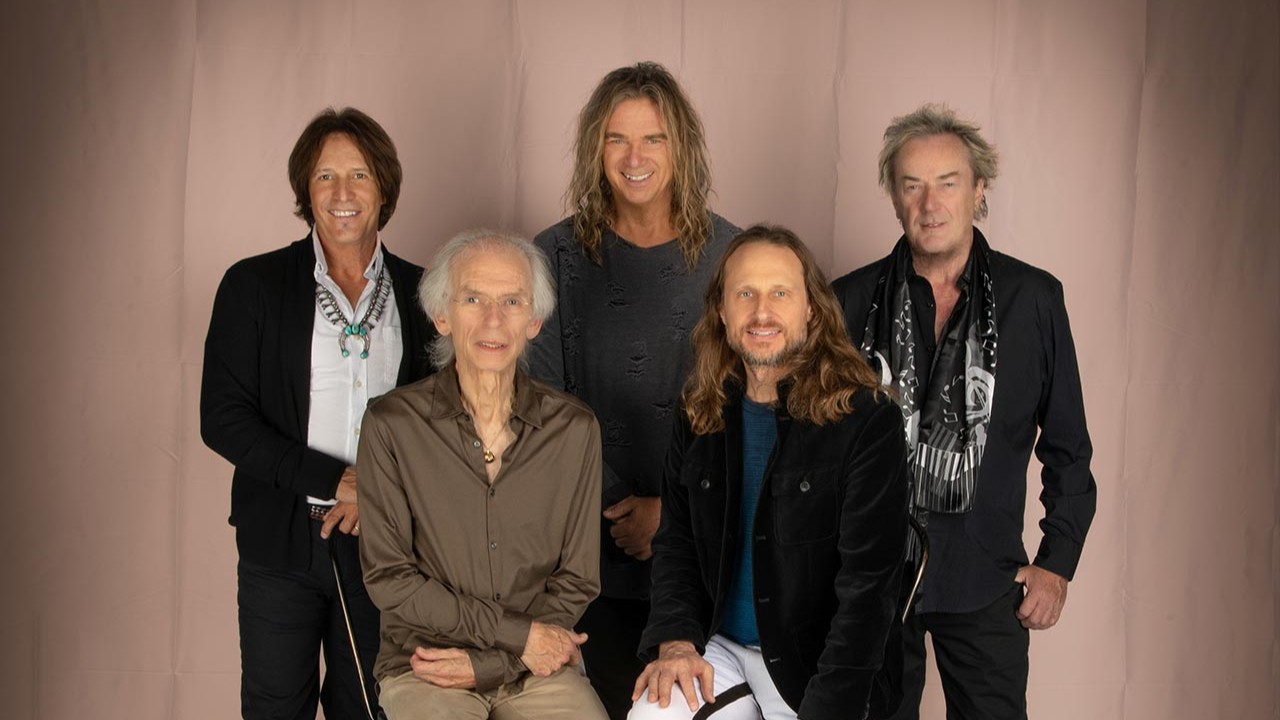
- A solid formationThe current line-up features the ever-present Steve Howe joined by Geoff Downes, Jon Davison, Billy Sherwood and Jay Schellen.
- The immortal aestheticsTo complete the work, the physical editions of the album boast the return of legendary illustrator Roger Dean, alongside Freyja Dean, ensuring a majestic and surreal visual experience.
- The meaning of the title: Calling an album Aurora After nearly six decades of career, it's a poetic and powerful choice. The dawn is the beginning, the awakening of the light. It's as if the band were shouting in our faces: We are not at the sunset, we are just at a new beginning.
The Anatomy of a Thrill: Inside the Structure of “Aurora”
But what exactly happens in the nearly seven and a half minutes of this sonic journey? The song's structure doesn't settle for the banal song format we've become accustomed to on modern radio. It's a complex, yet strangely fluid, architecture.
- The orchestral incipit: The opening of the piece is enhanced by the contribution of the Czech National Symphony Orchestra. It's a triumphant opening, with a markedly cinematic feel, which immediately reminds you of being in the presence of the masters of prog.
- The pulsating rhythmic engine: Once the opening is over, the piece takes off, driven by a powerful and driving electric bass. Billy Sherwood leads the song with prominent bass lines, giving it a Aurora a vital groove.
- The intricacies and Howe's unmistakable touch: The central development thrives on dynamics and crescendos. Steve Howe's guitar weaves decisive riffs and carves out space for luminous, elegant solos. The interplay between the guitars and Geoff Downes' keyboards creates a sonic embrace where technique and emotion dance together.
- Vocal harmonies towards the light: Jon Davison, supported by Howe himself, constructs vocal lines that evoke vast, open spaces. The harmonies are never banal and perfectly embody the title's concept: a light rising and emerging, clear and triumphant.
Between Karma and Awakening: The Meaning of the Text
If music builds a majestic architecture, words paint an interior fresco. When the band began composing the first drafts, the word Aurora It immediately resonated with Steve Howe, setting the thematic and visual tone for the entire project. It's not just an atmospheric dawn, but a profound spiritual awakening.
The song touches the chords of our vulnerability, describing humanity as paper dolls with fragile edges that fray (“fragile edges fray”). It is an awareness of eight billion lives tied together by an inexorable karmic ebb and flow (“karmic ebb and flow”). The emotional heart of the piece is the visceral desire to push one's limits (“Escape to the other side”) in search of inner freedom (“Everything to be free inside”). In the climax, Aurora becomes an astral, purifying light whose flames burn through the dark labyrinths of the mind (“burning through the maze in my mind”) to restore balance.
Unconditional love for beauty
After a 58-year career and bank accounts that would allow anyone to enjoy retirement on a private island, getting back into the game like this means only one thing: total and unconditional love for music and desire to share beauty.
Ultimately, it's the manifesto of what we try to do every day here on the blog: Look for beauty everywhere. And if we don't find it, we create it.. Yes didn't need to prove anything to anyone anymore, yet they decided to give us another dawn. And all we can do is turn up the volume, close our eyes, and enjoy the first rays of sunshine.
Already feeling the chills? Add Aurora to your Spotify playlist and keep searching for beauty.

Digital creative, musician, and storyteller. I explore the intersection of humanity and technology, telling stories of AI, music, and real life. Welcome to my organized mess.”