Nicolis Museum: Genius, Beauty, and the Paradox I Can't Explain
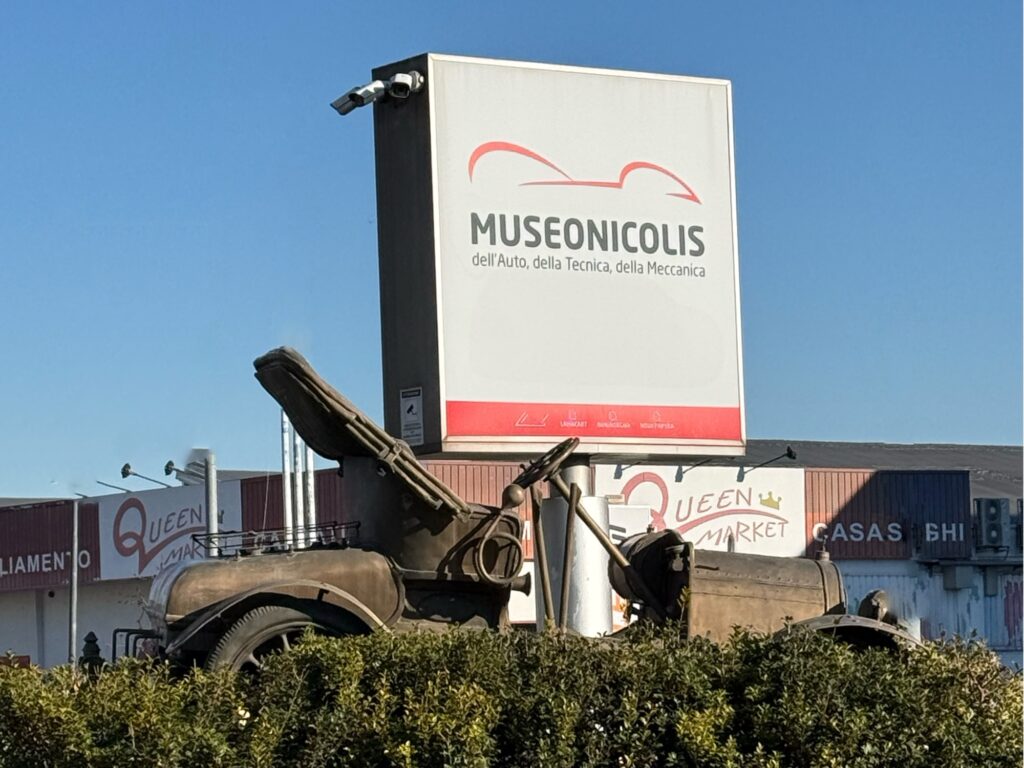
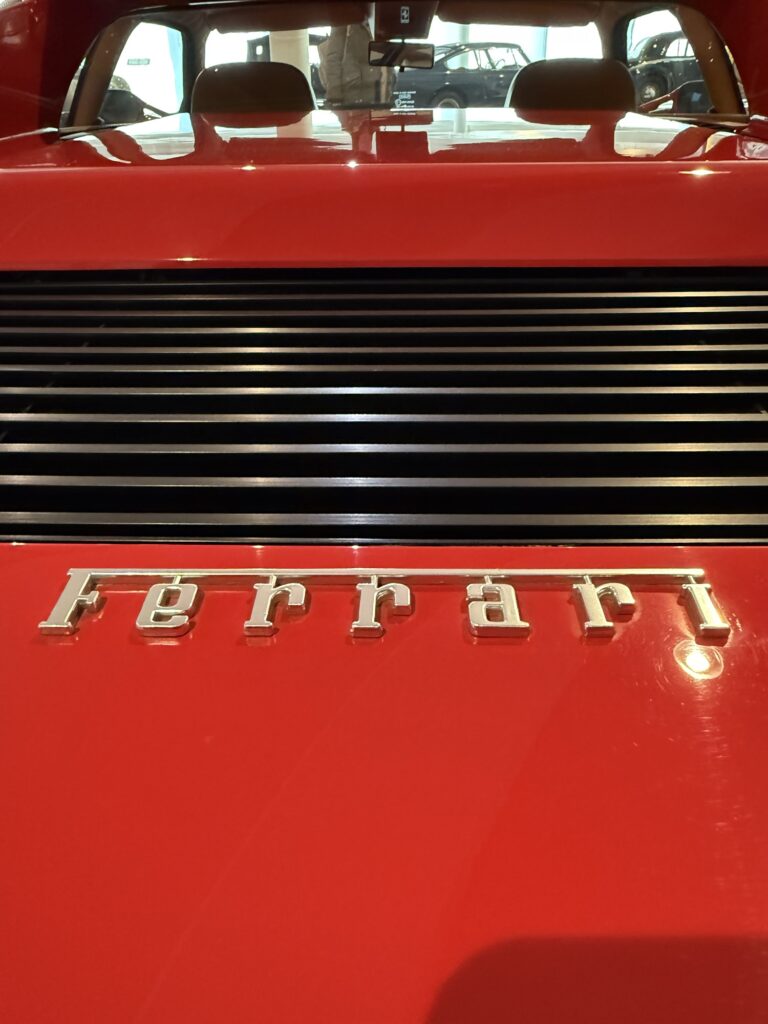
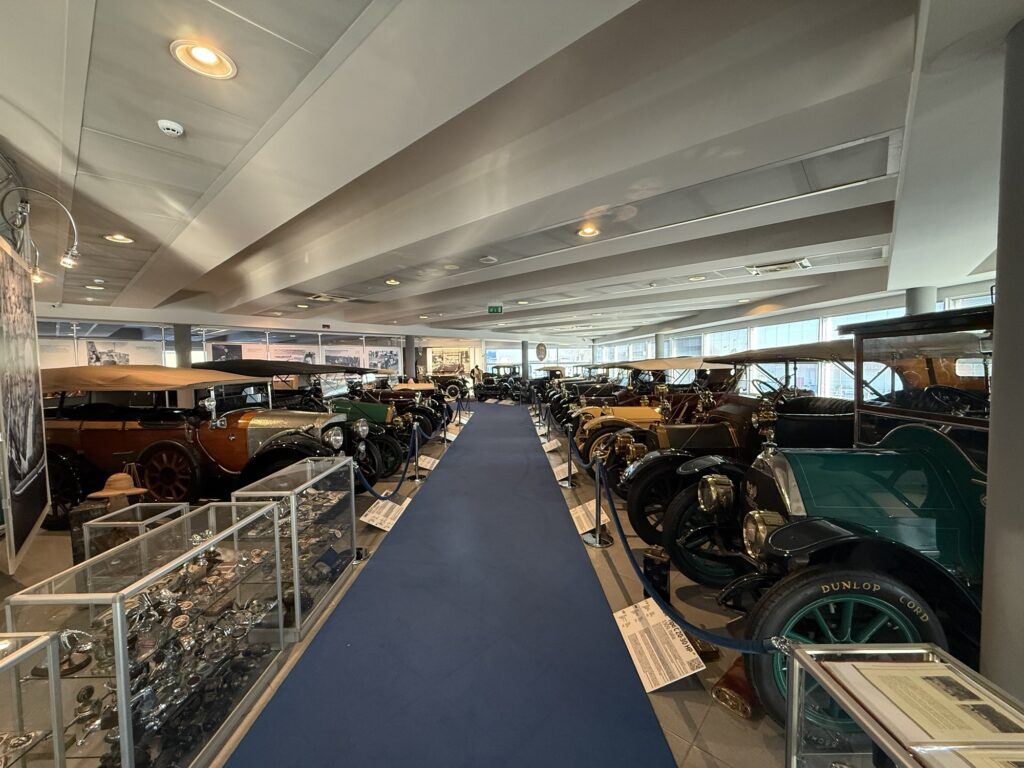
Yesterday my wife gave me a gift. Not an object, but a trip: the Nicolis Museum in Villafranca di Verona. She knows my obsessions—cars, mechanics, speed, everything that bears the mark of human ingenuity—and she knew exactly where to take me. She was right: it was like entering a secular cathedral dedicated to creativity.
A Century of Concentrated Genius
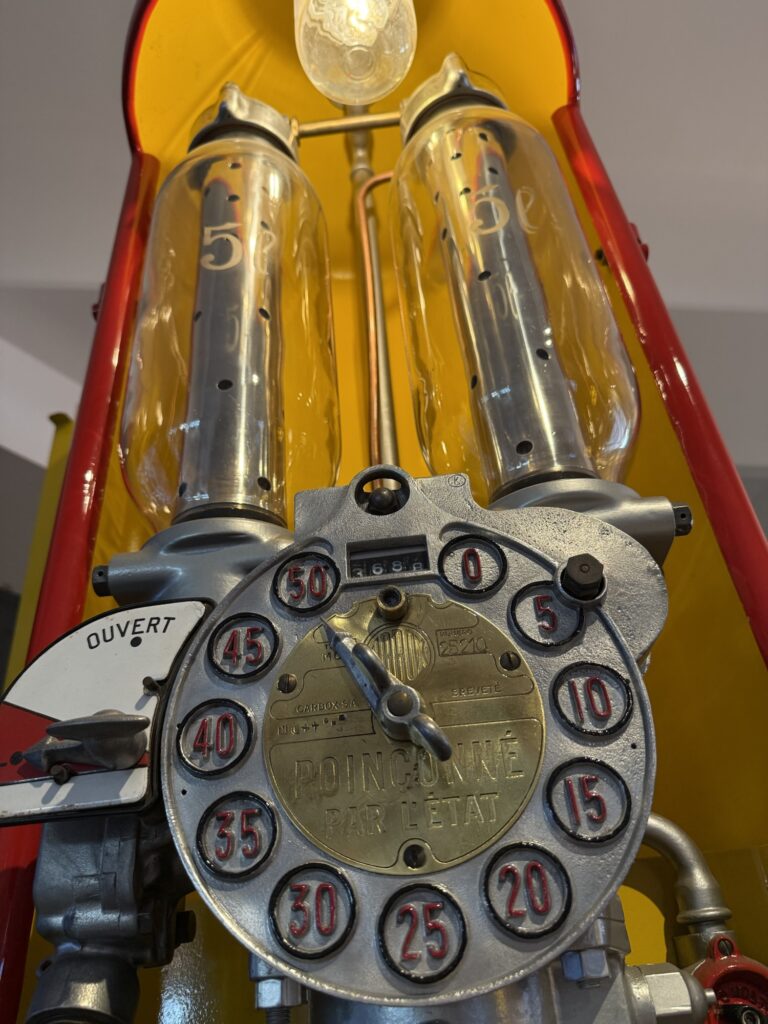
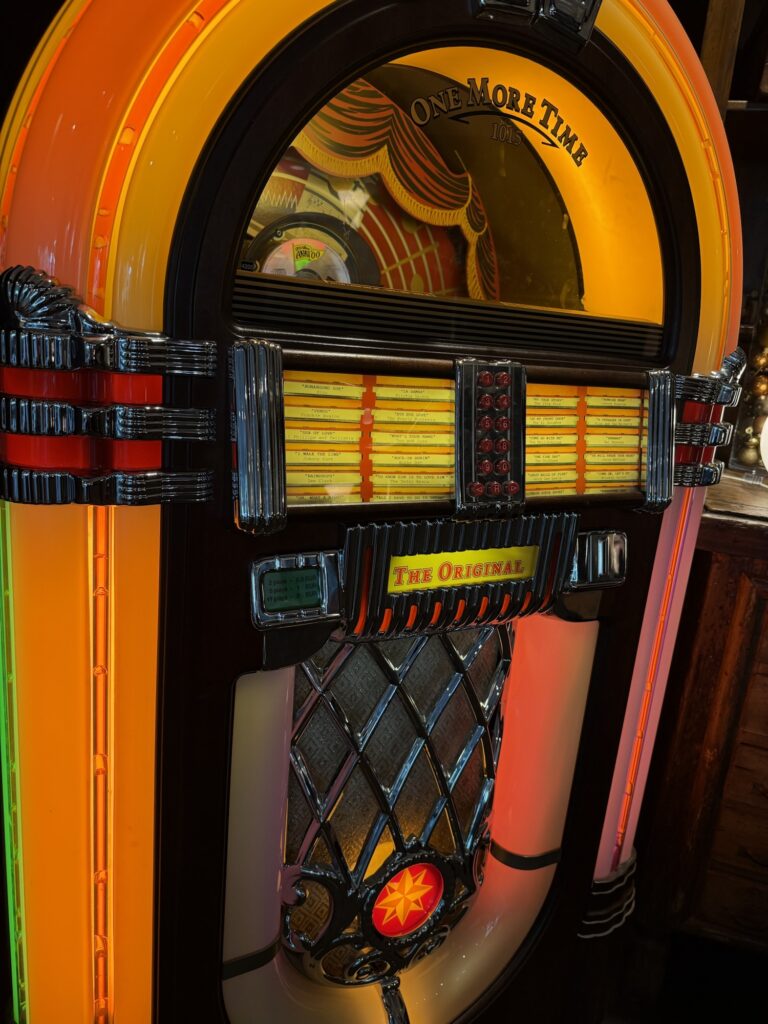
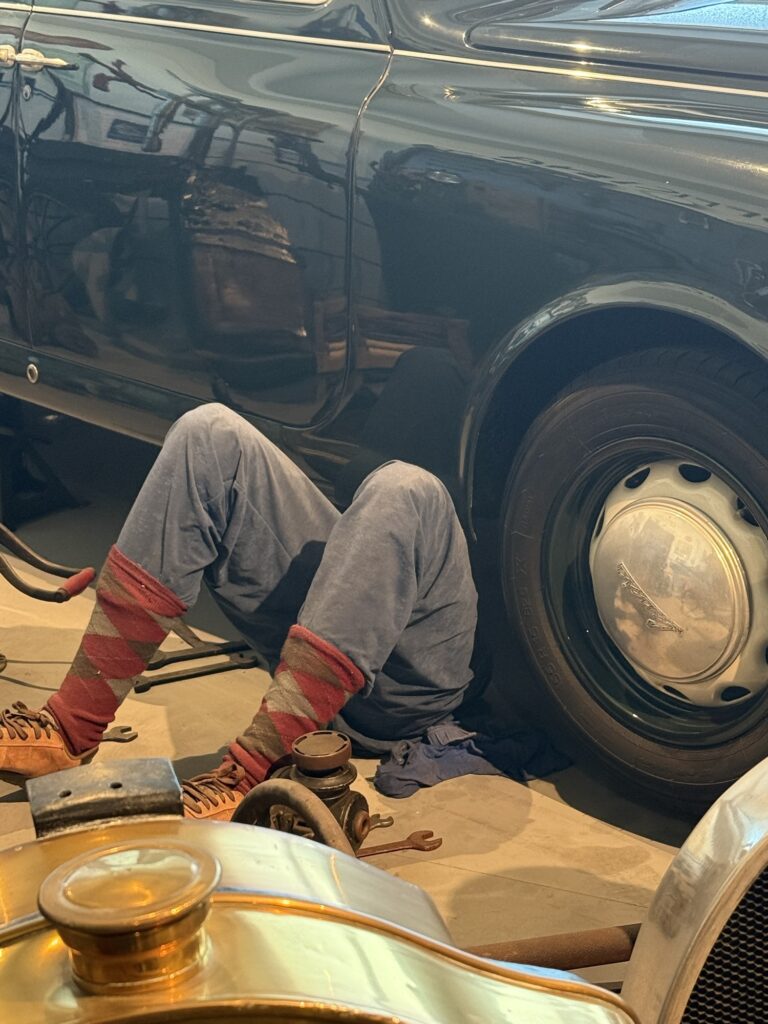
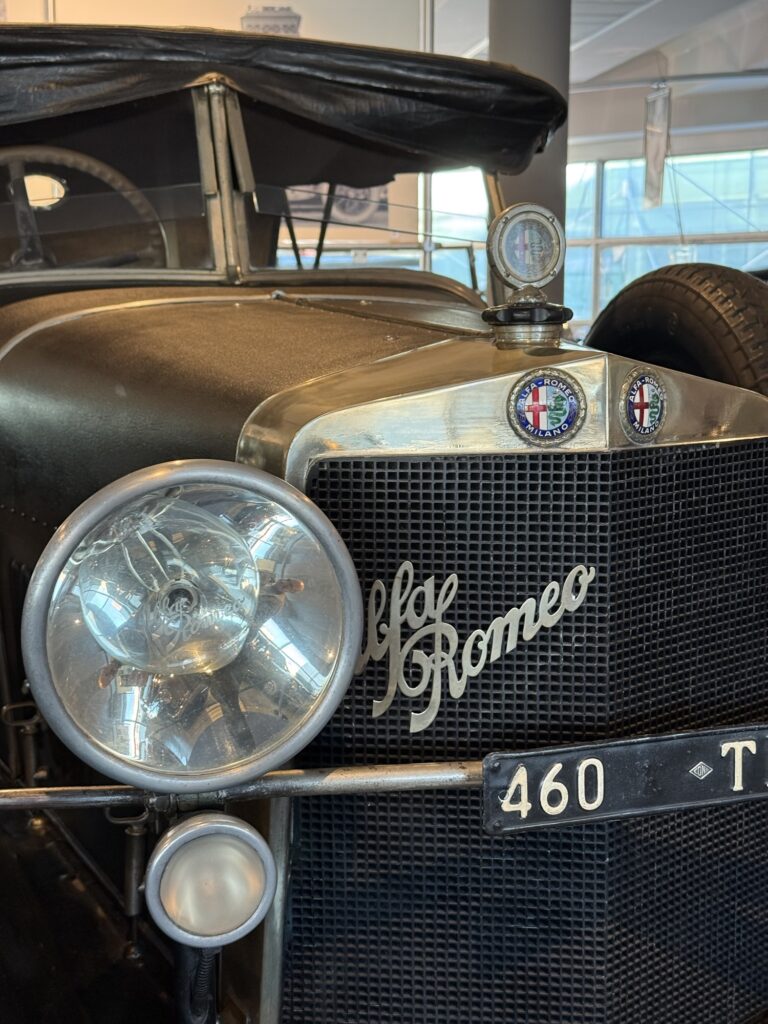
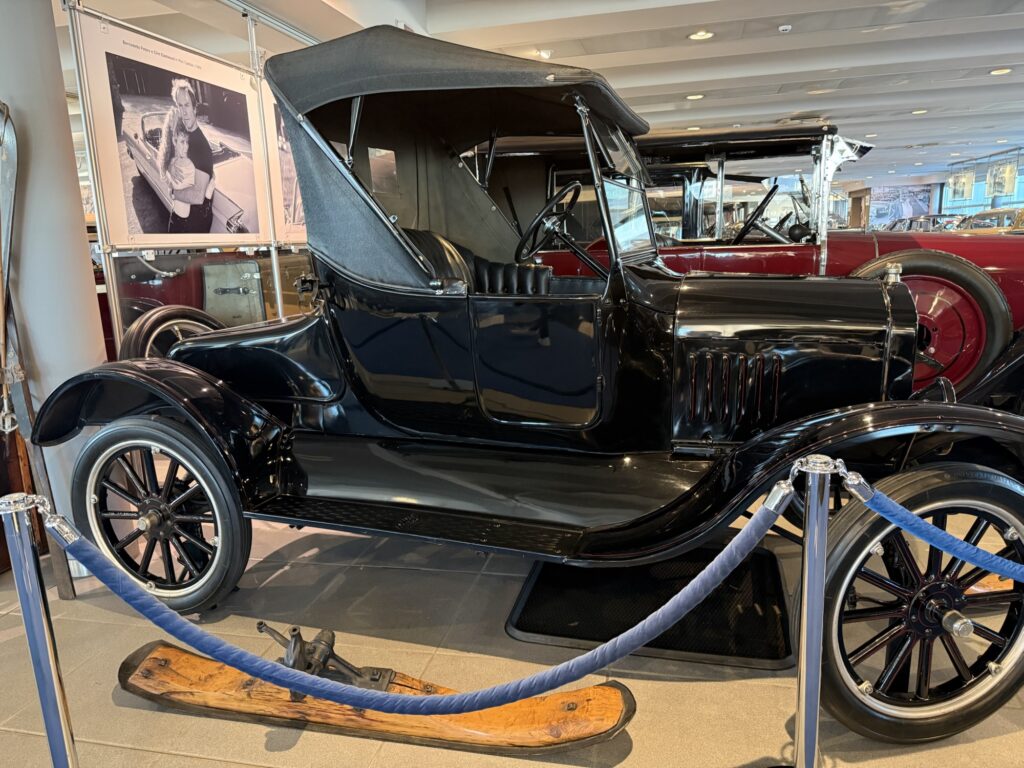
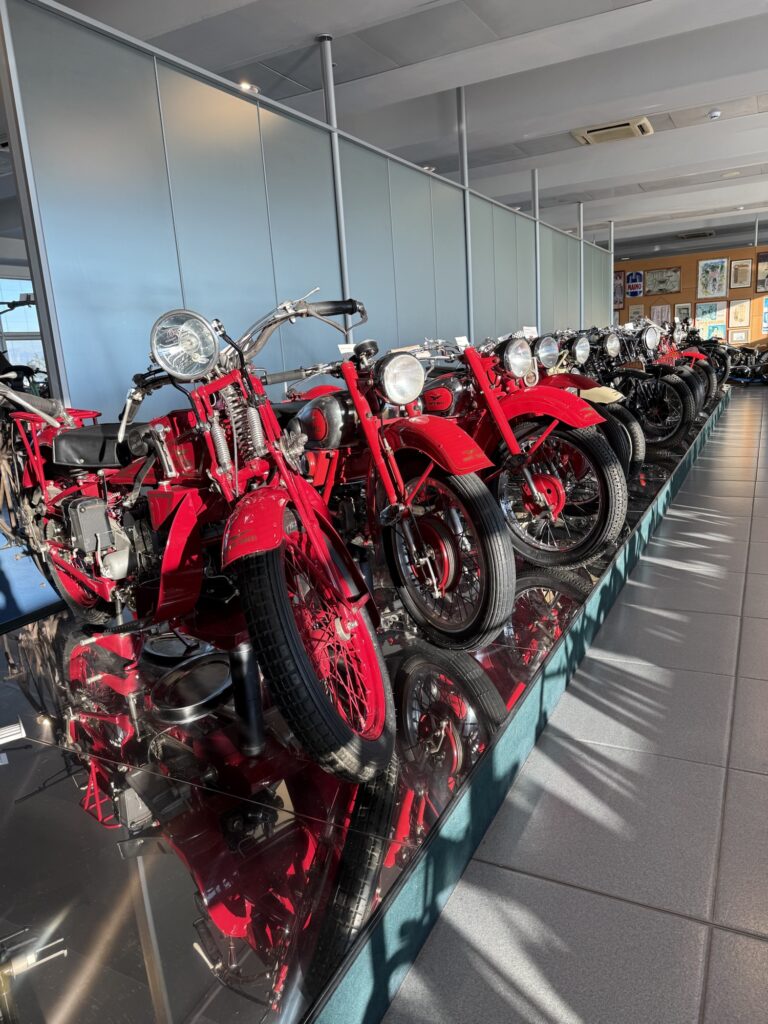
You can find more two hundred vintage cars, a hundred motorcycles, mechanical musical instruments, cameras, phonographs. But it's not a museum in the classic sense. It's an emotional archive of human progress. The atmosphere is unique: elegant and bright, but also a machine shop, a private collection, a library. And you feel surrounded. Not by objects. By minds. Men and women who thought the impossible and built it with their hands.
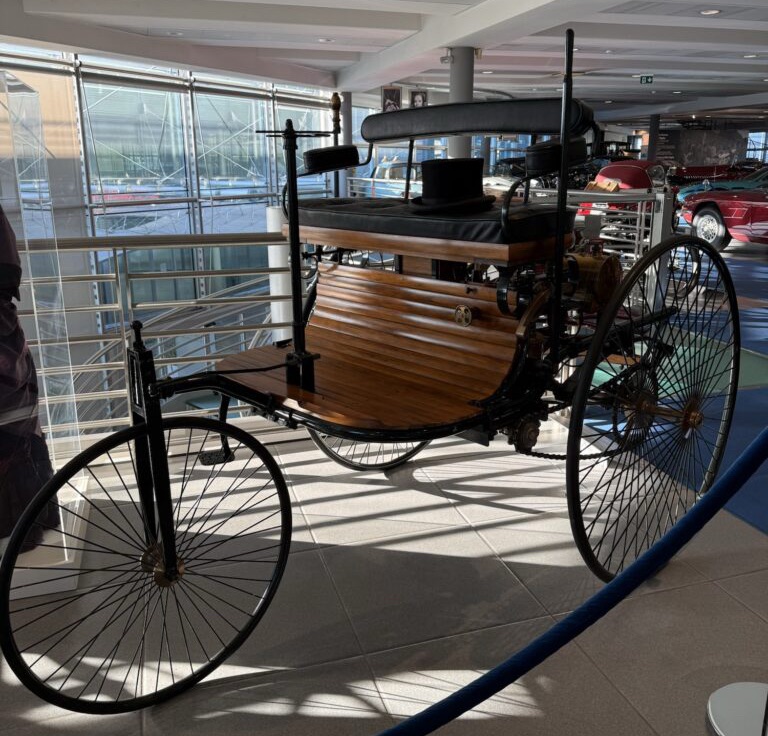
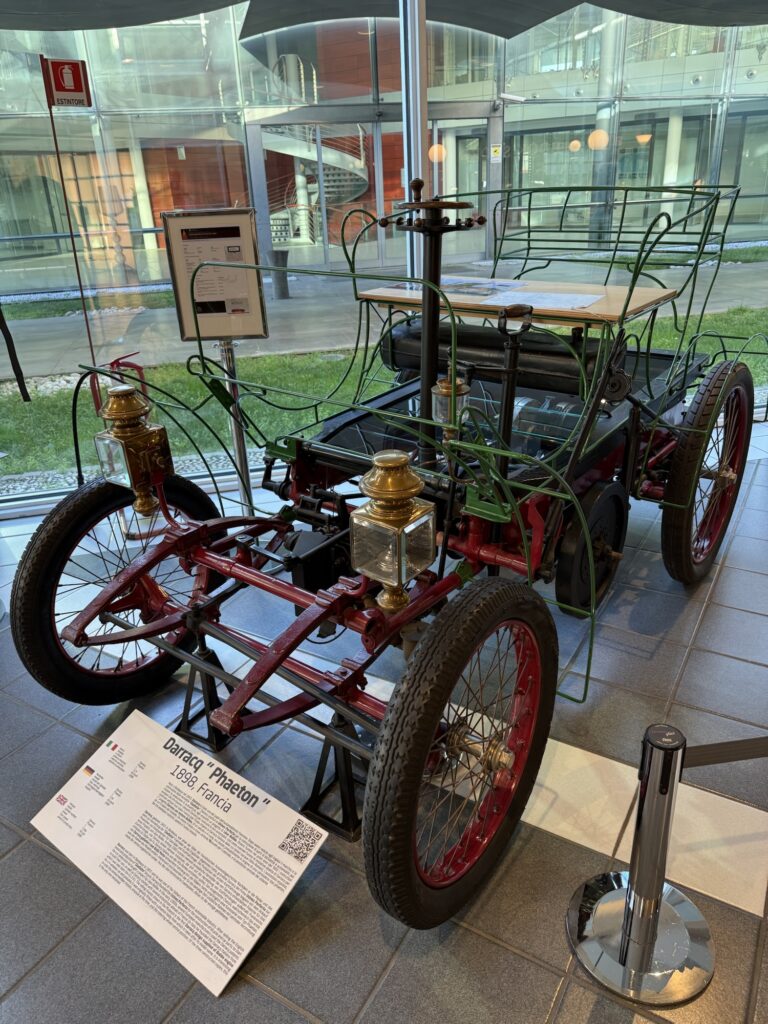
There is the Benz Patent Motorwagen 1886, the world's first automobile. A three-wheeled carriage that looks like something out of a cartoon. But it's not the fact that it's "the first" that strikes you. It's the engine. Even when stationary, you hear That engine sputtering in your head. You imagine it spitting, smoking, smelling. You feel the vibrations in your chest. And you see the terrified looks on people's faces back then: that thing ran without horsepower, making a hellish noise. And yet that absurd wheelchair changed the world forever.
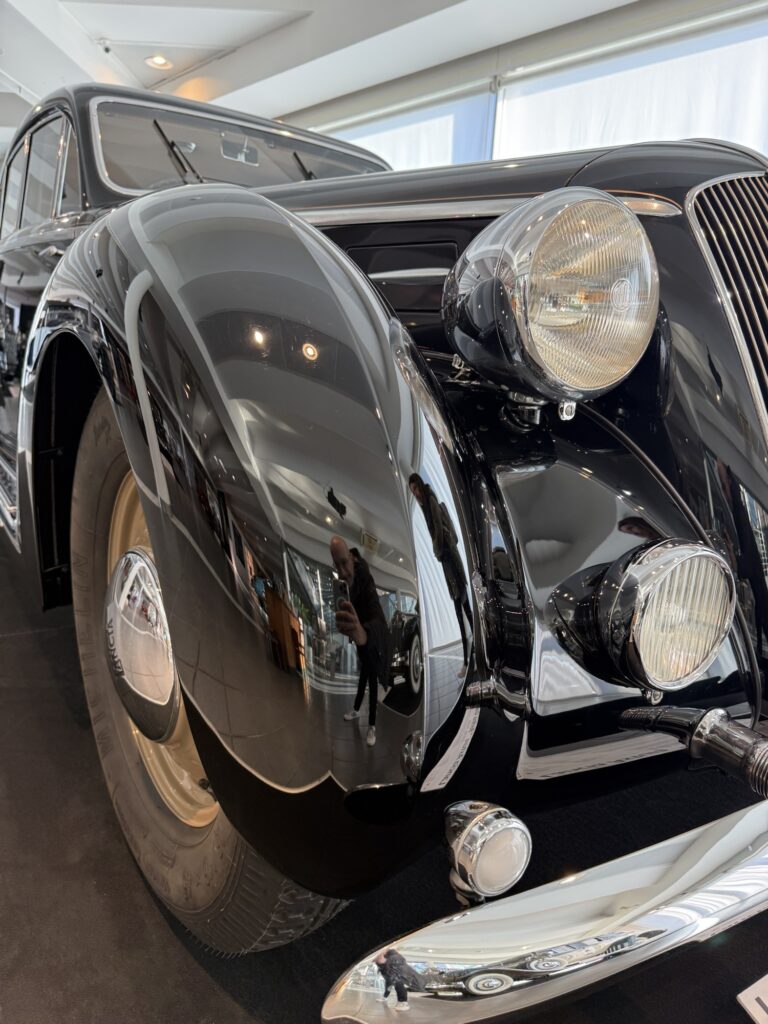
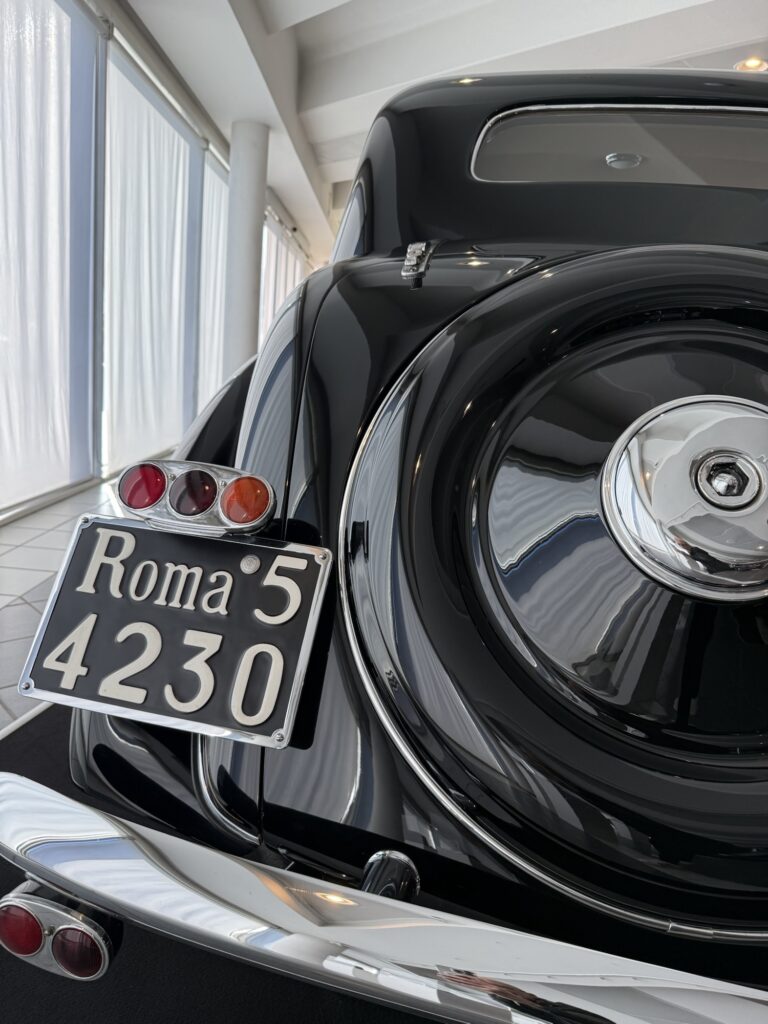
Then you come across the’Isolde Fraschini. And there you stop. You don't walk anymore.
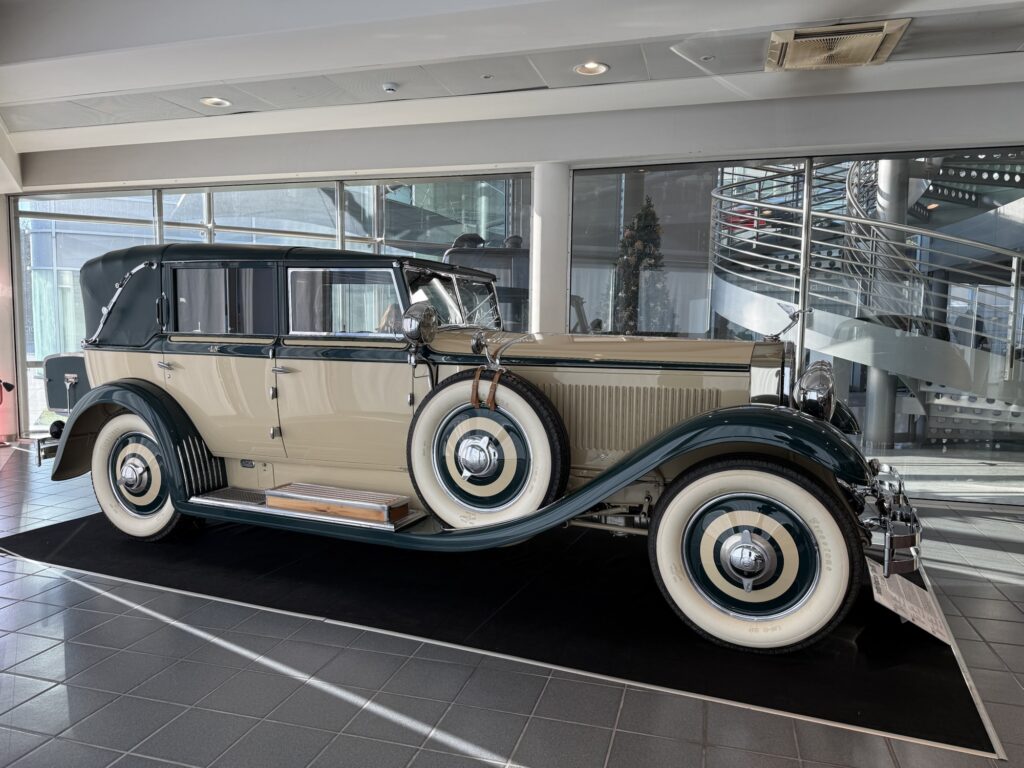
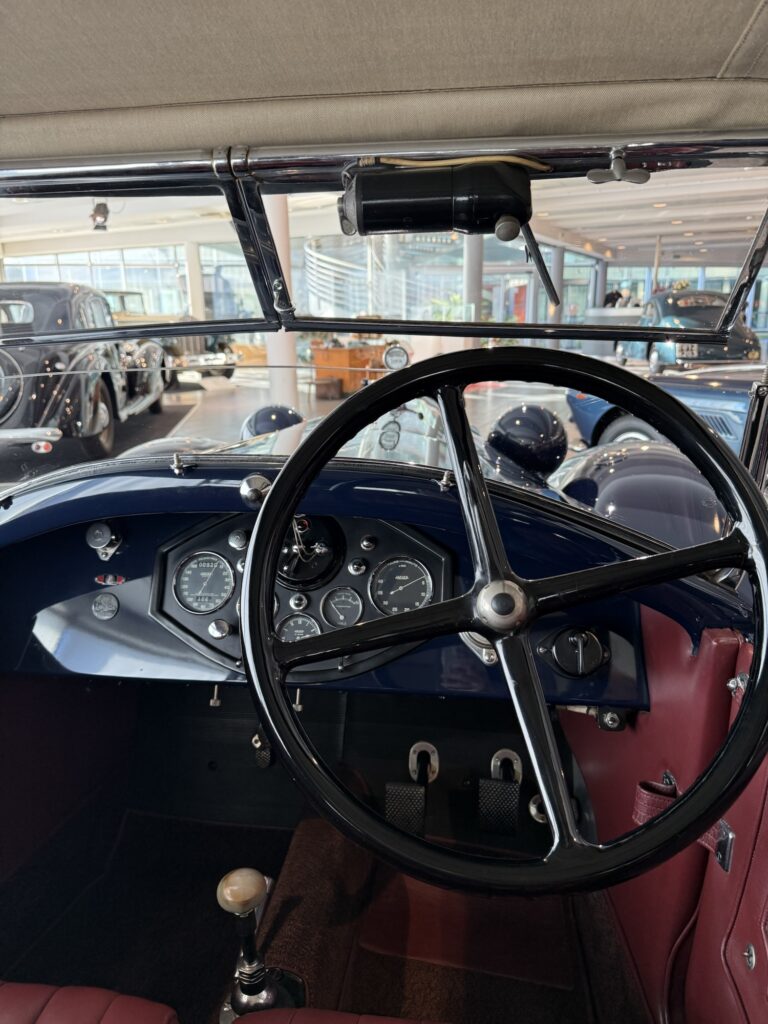
A transatlantic liner of the road. Sinuous lines, elegance that puts any contemporary super-SUV to shame, a feeling of velvety power that exudes from every inch of its bodywork. D'Annunzio, Rudolph Valentino, even the Pope have driven it. And you understand why: it's not a car, it's a manifest. Ambition made of metal. Functional beauty.
Speed, Looks and Sounds Without Hands
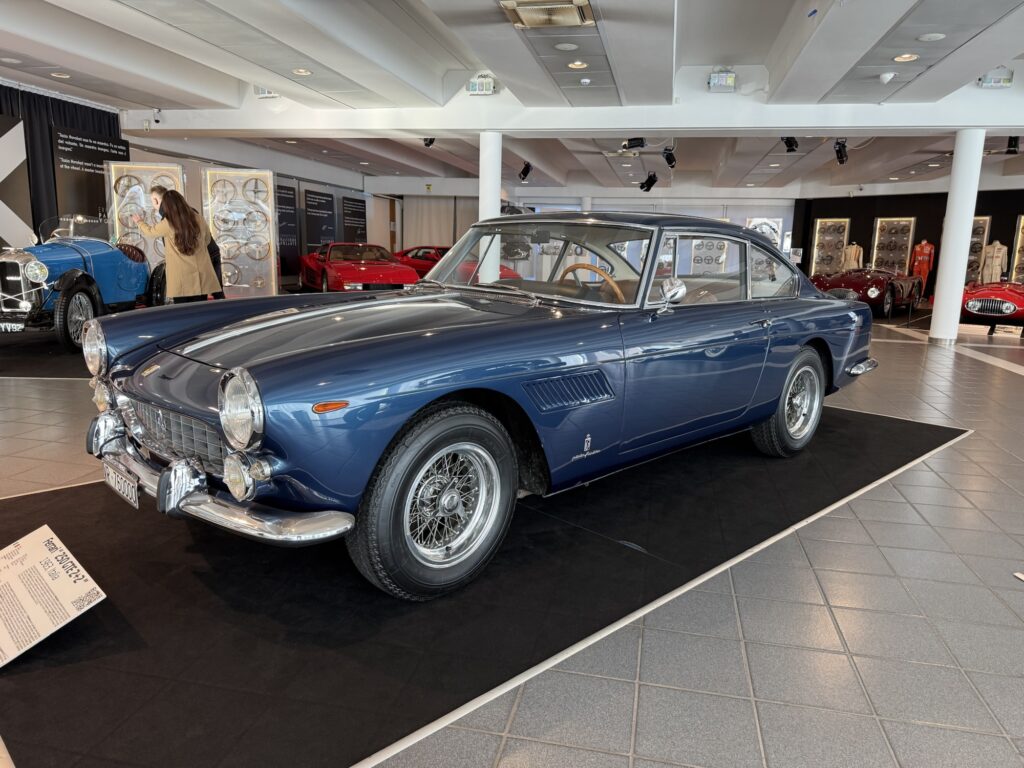
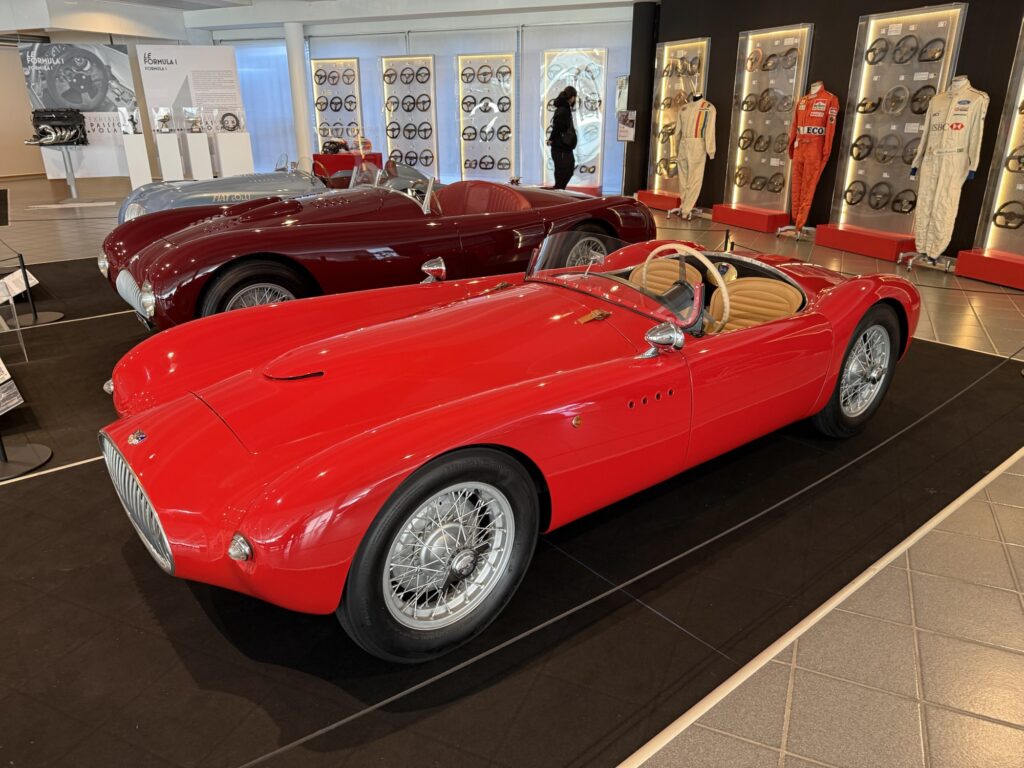
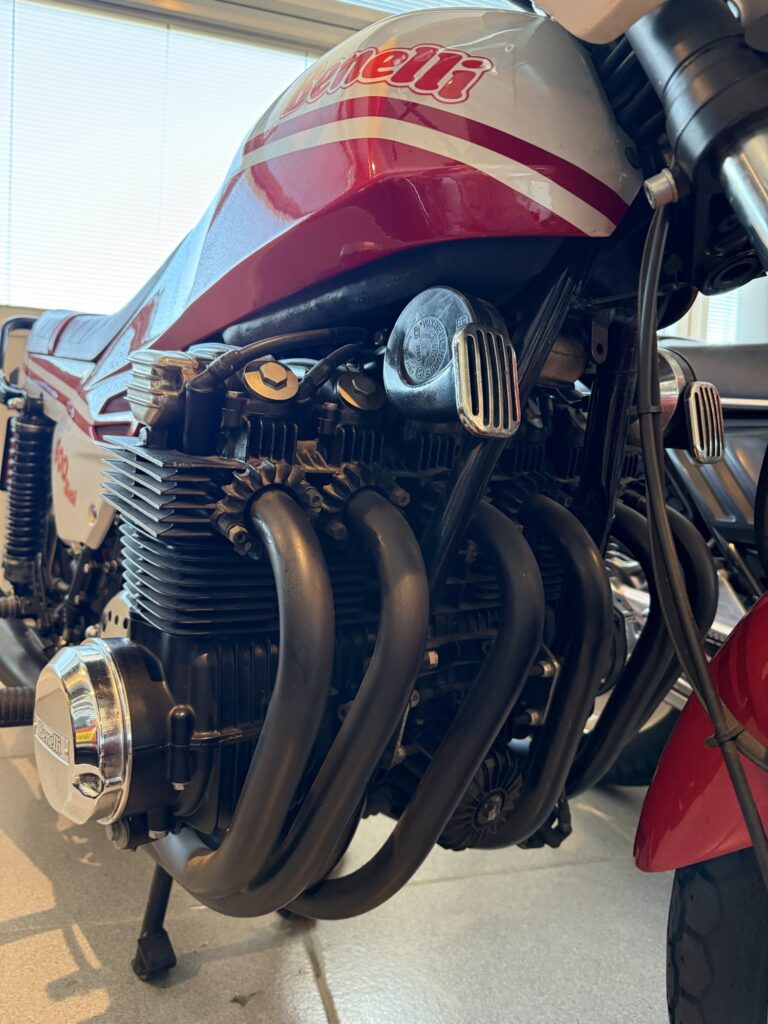
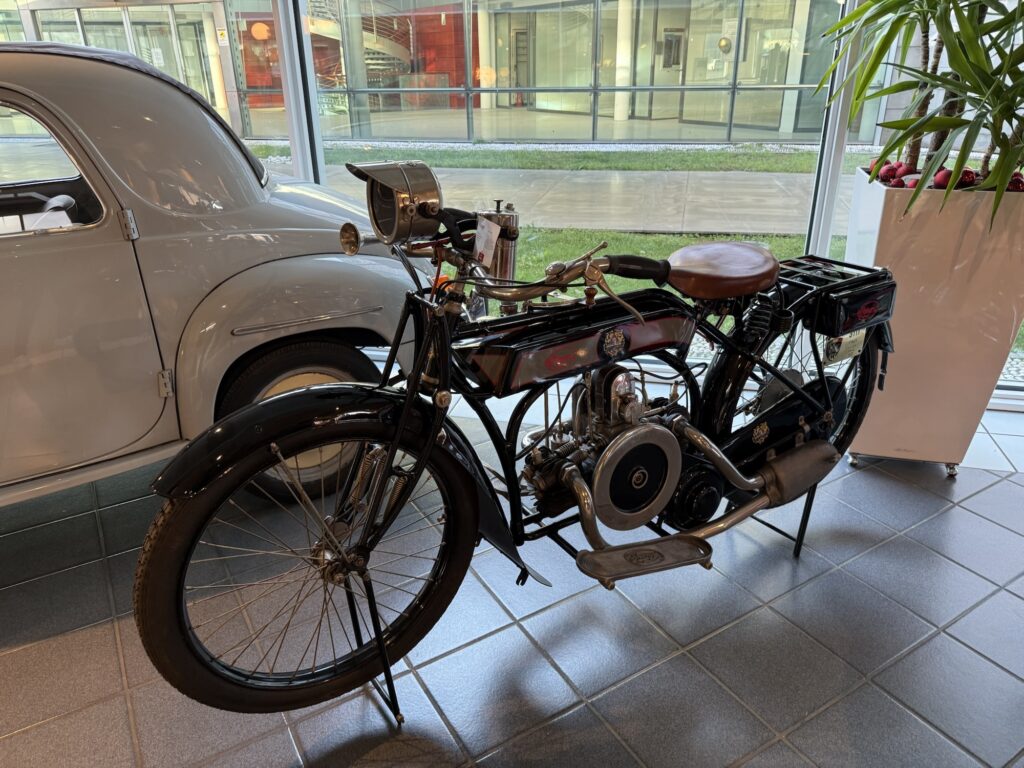
There are the racing motorcycleand – Benelli, Bimota, machines designed for one purpose: to go faster than anyone else. The evolution of speed as a human obsession. The desire to compete, to push the limits, to risk everything for a tenth of a second less.

There are the first ones bellows cameras, enormous, cumbersome—tools that for the first time allowed time to be stopped. To capture a glance, a moment, and make it eternal. Photography as a new form of memory.
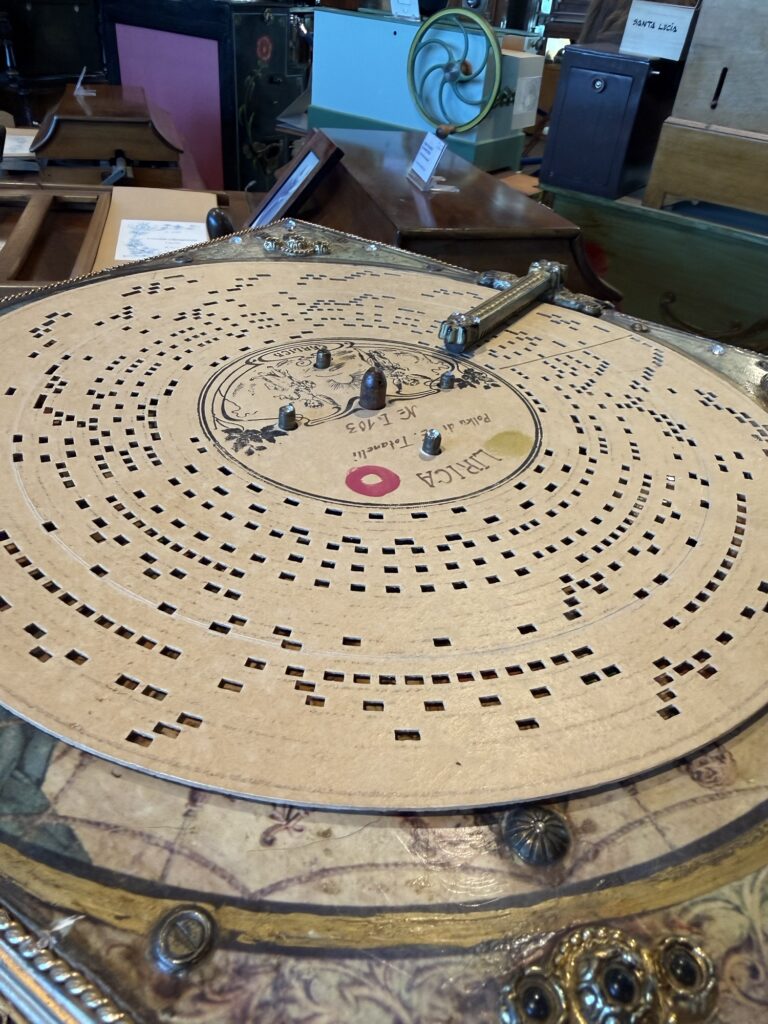
And then the mechanical organs. Those struck me in particular: for the first time in history, music was detached from the human being. Think about this: for millennia, music had arisen only from the direct relationship between man and instrument. Then, suddenly, a machine could play. without you. It was the beginning of something huge – and disturbing.
And the Edison's phonograph. Wax cylinders on which to record your voice, send them to the other side of the world, and have them listen to you by people who would never have met you. A new form of eternity: to leave a trace of yourself, you no longer needed to just write, draw, or sculpt. You could leave your voice. first voice message of history. Think about the emotional impact of that technology.
The Military Department and the Question
Then you reach the military vehicles section. Replica soldiers, weapons, war machines.
And something cracks.
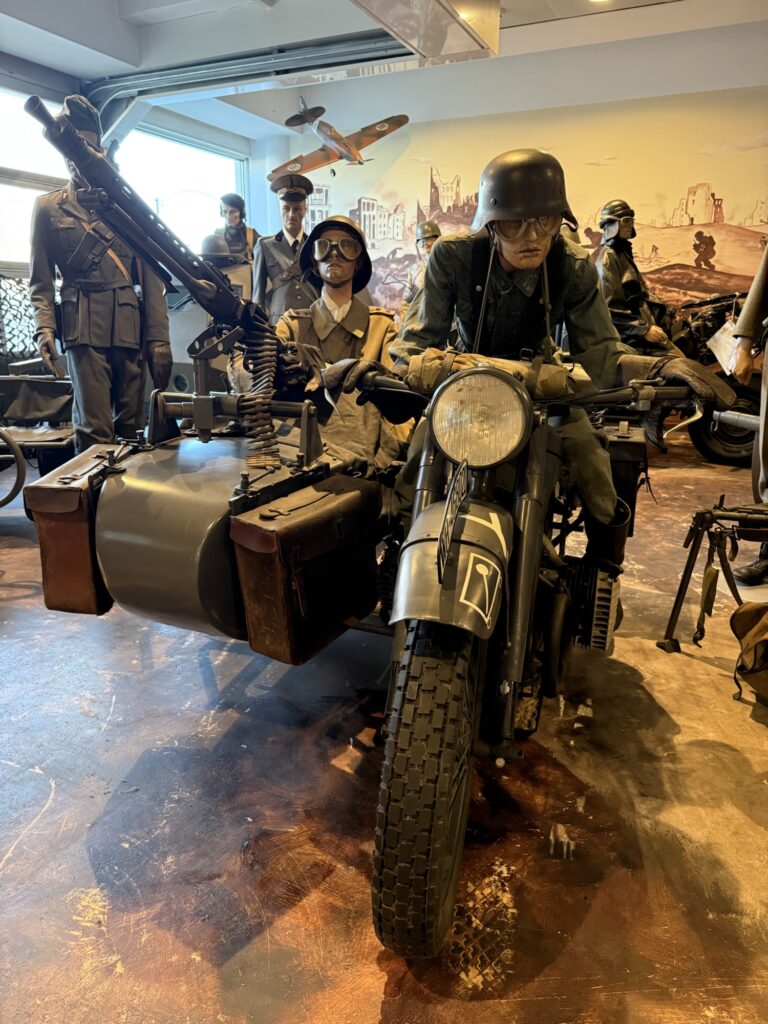
The thought is born there, but it grows slowly, room after room, until it explodes when you leave: How could humans have found such flashes of genius, created such wonders, progressed beyond all possible limits… and at the same time remained in the Stone Age with its tribal wars?
The same mind that invented the phonograph invented the machine gun. The same hands that sculpted the elegance of the Isotta Fraschini forged tanks. The same curiosity that leads to the stars also leads to the bomb.
Nowadays, we have the technology to feed and care for everyone. To leave no one behind. Yet we continue to destroy ourselves. To dominate. To use our genius to destroy rather than to build.
I have no answers
And I stop here. Because I have no answers.
Perhaps it is precisely this contradiction that makes us human: the ability to be simultaneously sublime and monstrous. To create the Benz Patent Motorwagen and the tank. To conceive of the eternity of the recorded voice and the instant of inflicted death.
I accept the paradox. But with a hint of hope—perhaps naive, perhaps romantic, certainly stubborn: human beings are at their best in times of difficulty. And as long as there's a brilliant mind capable of patching things up, we'll continue to move forward.
The Nicolis Museum isn't just a museum. It's a mirror. Of our greatness. And of our fragility. All together, all true.
I seek beauty everywhere. Yesterday I found it. But I also found the question that beauty brings with it.
And I don't know if I really want an answer.

Digital creative, musician, and storyteller. I explore the intersection of humanity and technology, telling stories of AI, music, and real life. Welcome to my organized mess.”