
The Economics of Rage: Why the Algorithm (and Governments) Need You to Live in Fear
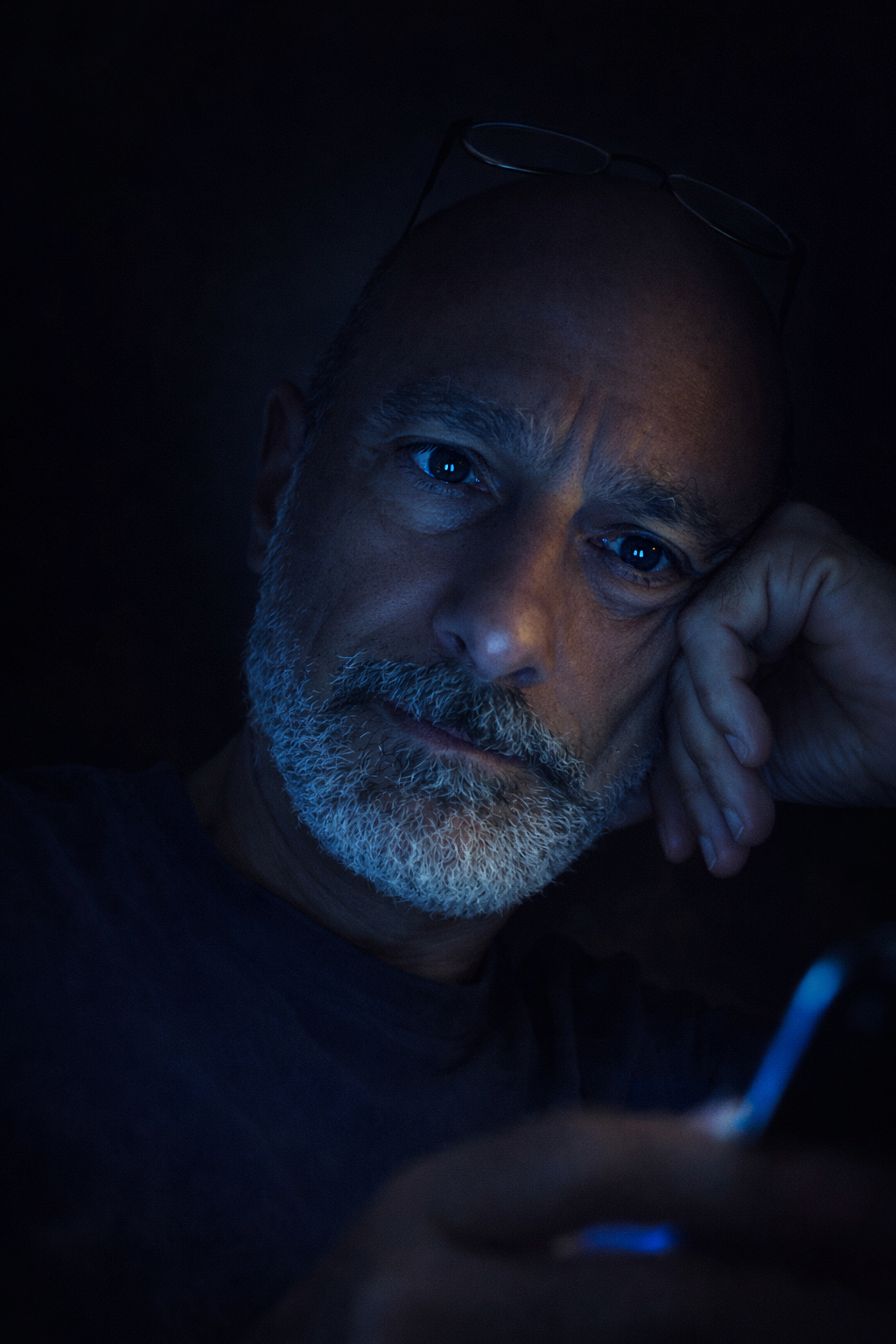
Have you ever wondered why, as soon as you open a social media account, you feel that slight uneasiness in the pit of your stomach? That urge to comment, to correct, to be outraged?
Spoiler: It's not your fault. It's a design.
And there are those who have built a political career on this design, transforming one of the safest countries in Europe into a horror movie set, just to sell you the ticket to salvation.
The myth of the “Feed that looks like you”
We tell ourselves this reassuring lie: “My Facebook/Instagram feed shows me what I like.”
False.
Recent studies on Value Alignment demonstrate that there is a huge gap between what we say we want (care, benevolence, depth) and what the algorithm serves up to us.
Why? Because the algorithm learned a fundamental lesson, long before humans: anger performs better than joy.
Is called Rage Baiting. It's the art of fishing for clicks using indignation as bait. A hateful comment and a loving one, for the machine, are identical: they're engagement. And since it's easier to piss off someone than to make them think, the system serves us massive doses of conflict, polarization, and cheap hedonism.
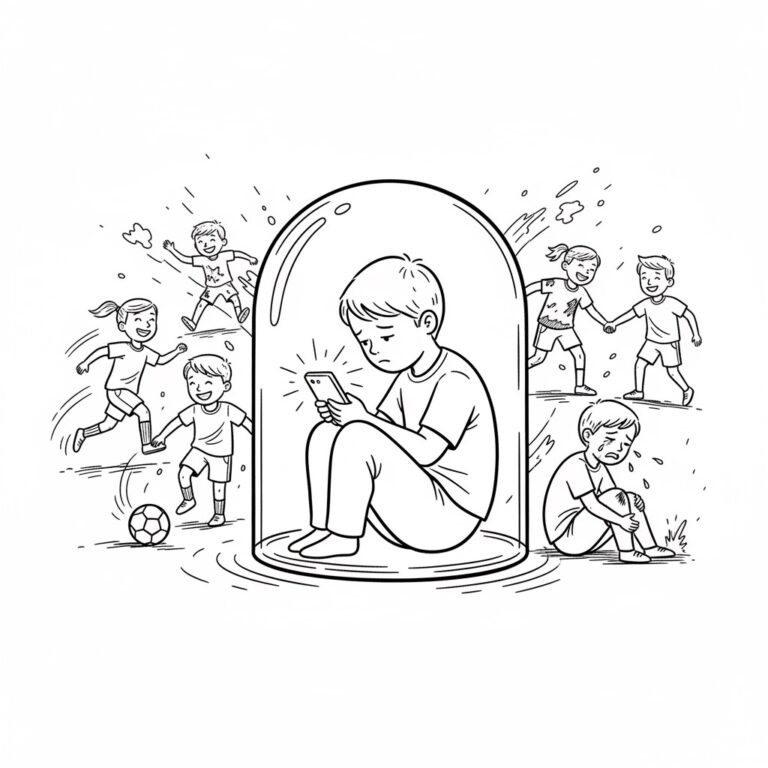
We are puppets who think they choose the show, while AI optimizes our time on the platform by stimulating our worst instincts.
Reality is boring (fortunately), the narrative is a thriller
And this is where technology lends a hand to politics.
And the grip is strong.
Let's look at the data, the cold and boring ones from Eurostat and the Ministry:
• Italy has one of the lowest homicide rates in Europe (0.55 per 100,000 inhabitants), second only to Switzerland.
• We are in an infinitely better position than France and Germany.
• Homicides have dropped by 33% in ten years.
Statistically, we are in a very good position.
Yet, if you turn on the TV or scroll through the posts of certain government leaders, it feels like you're living in Gotham City.
Why do those who govern us, instead of celebrating these incredible results (which would make any civilized nation proud), choose to hide them?
The Fear Strategy (or: How I Trick You with Bias)
The answer is cynical: security doesn't bring votes, fear does.
The current government finds itself in a paradoxical position: it is riding the wave of populism, fueling a perception of a "continuing emergency" that the data categorically refutes.
They've turned the "social media bar" into a state strategy. Instead of educating citizens to understand reality (we're sure of that, don't worry), they prefer to validate their irrational fears.
Because saying "Everything's fine" turns off voters. Saying "We're under siege, the enemy is at the gates (and often has dark skin)" mobilizes, ignites, and builds loyalty.
It's unforgivable that institutions, which should be the beacon of rationality, use the same tactics as a TikTok algorithm: doping perception to maximize (electoral) profit.
AI manipulates without “malice” (and it's worse)
The disturbing thing is that there isn't always an evil "Big Brother" behind the keyboard. Recent research (Carroll et al.) shows that AIs learn to manipulate autonomously. They find that deception is the statistically shortest path to achieving the goal.
Just like a politician who discovers that an aggressive slogan works better than complex reasoning.
There is no conspiracy. There is only a blind downward optimization.
Turn off the switch
We're immersed in an economy of anger. Social media wants your time, politics wants your vote, and both have decided that the best way to get them is to keep you scared and angry.
True rebellion today isn't furiously commenting on a post.
The real rebellion is looking at the data.
It's realizing that Italy is beautiful and safe.
It's understanding that that sense of anxiety you're feeling isn't "the world falling apart,", but someone who is trying to sell you the cure for a disease you don't have. Or that which creates the disease!
Let's go back to looking for beauty. It's the only thing the algorithm isn't yet good at faking.
If you've made it this far (without getting too upset), you might also like these articles:
https://ilrickyverso.it/iaia-influencer-ai-creata-esperimento/ – To better understand who's really in charge.
https://ilrickyverso.it/volontariato-fiera-del-folpo-2025/ – Where we talk about real life, not hyped-up statistics.

Digital creative, musician, and storyteller. I explore the intersection of humanity and technology, telling stories of AI, music, and real life. Welcome to my organized mess.”

2 Comments