Marghera: 37 engineers fired. And Italy still debating cookies.
AI isn't stealing our jobs. We're giving them away.
A few weeks ago, on the other side of the ocean, something happened that could never have happened in Italy. Not because Italians aren't capable—but because someone usually stops them first.
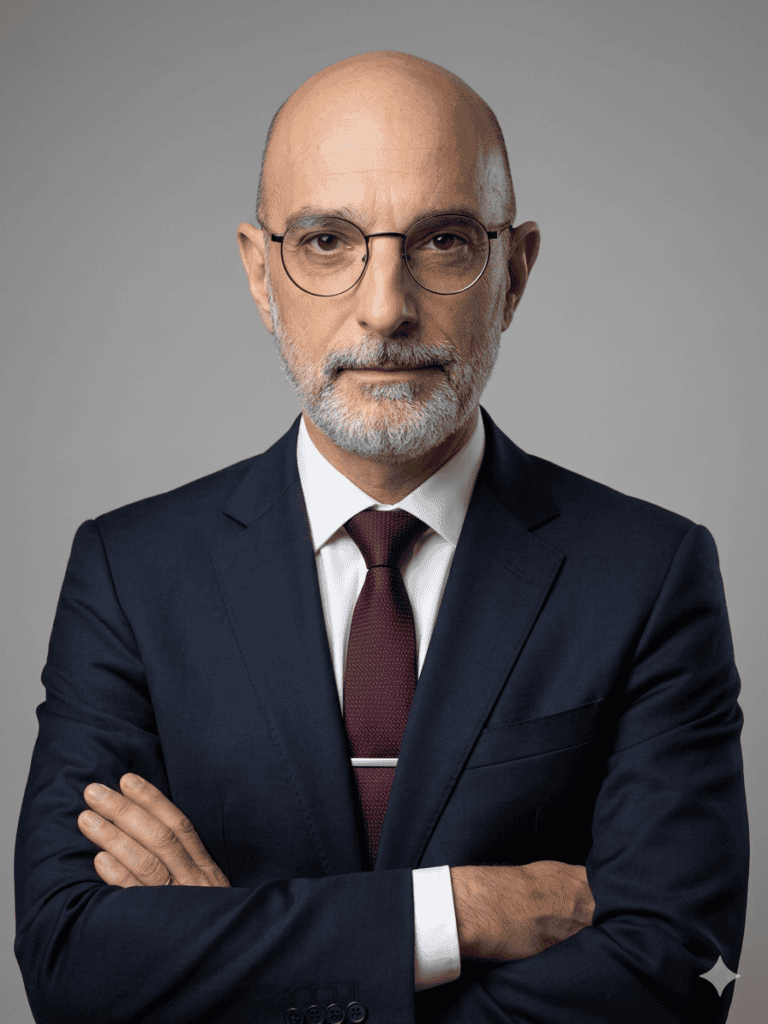
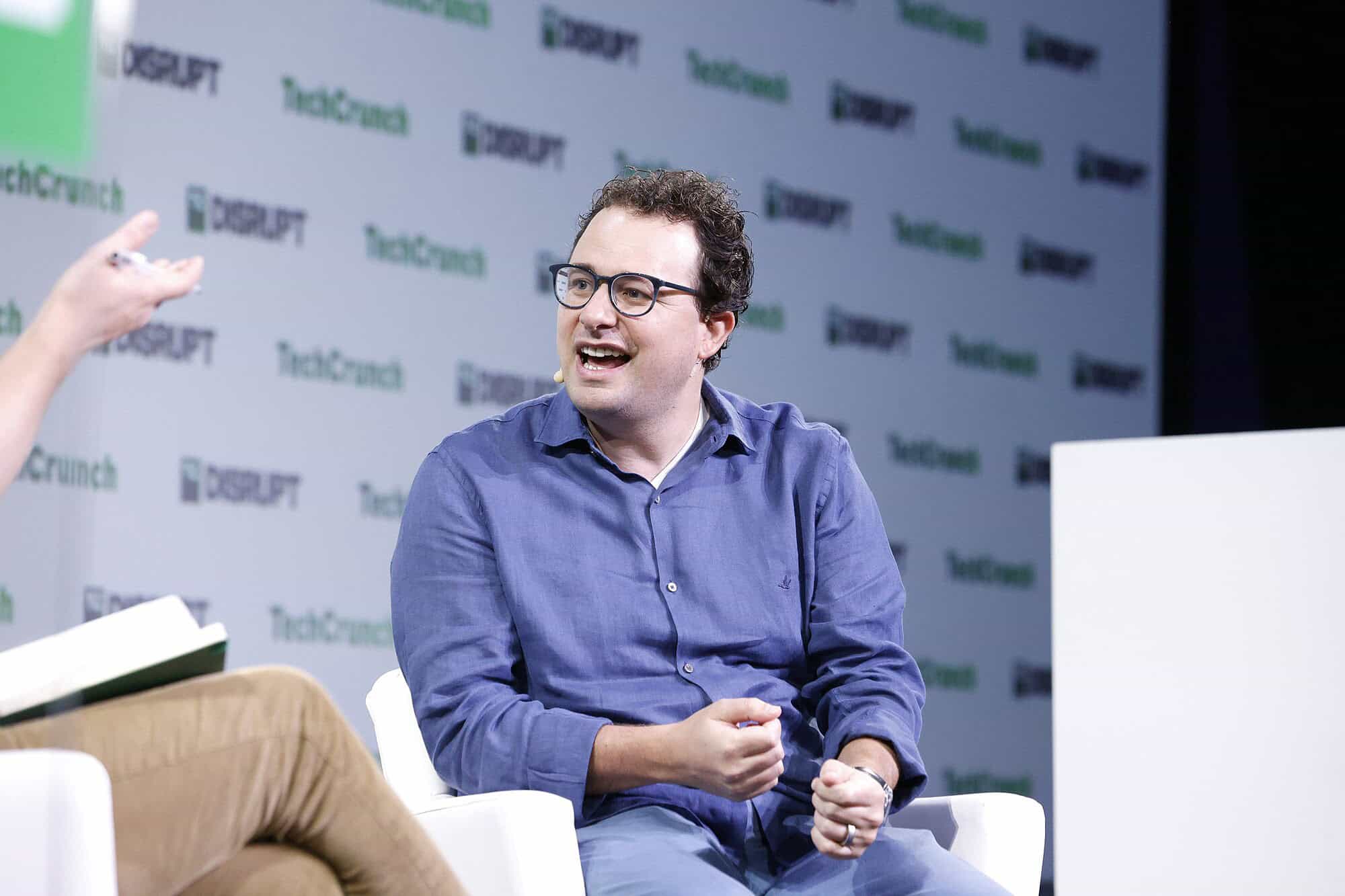
Dario Amodei, CEO of Anthropic—the company that created Claude, one of the world’s most advanced artificial intelligence models—has received a request from the Pentagon: to use his AI without restrictions, including mass surveillance of American citizens. The answer It was simple, public and without diplomacy: No.
Trump responded by banning Anthropic from all federal agencies. Amodei, in the memo to employees, explained the situation bluntly: their fault was for not offering praise. “dictator-style” as others had done.
Welcome to 2026. This is the temperature of the water we are swimming in.
A son of a Tuscan craftsman, in the midst of all this.
What strikes me about Amodei isn't just his courage to say no to power. It's the story behind it.
His father is from Massa Marittima, a leather craftsman who brought his family to America. Dario studied physics, then biophysics, then became vice president of research at OpenAI, and then founded Anthropic with his sister Daniela. Two sons of a Tuscan craftsman who built one of the three most powerful artificial intelligences on the planet.
Could they have done it here? No. And we all know it, even if it hurts to say it.
Here, where years of permits are needed for a solar panel, where innovation is treated like a threat to be harnessed rather than a train to ride. Here, where the greatest public use of AI was turning Carlo Conti into a duck during the Sanremo Music Festival.
This is why I like Claude more than other AIs: not because of the benchmarks. But because behind it is someone who, when the powers that be told "do this or I'll destroy you," said no. In a world where everyone rushes to have their picture taken with whoever has an office in Washington, this matters.
Then Tuesday morning arrives. And reality calls.
While Amodei was fighting the Pentagon, Marghera — in the metropolitan area of Venice — an American company named InvestCloud initiated the collective dismissal procedure for all 37 employees of the Italian headquarters.
Not just a few. Not a partial renovation. Everyone. The entire headquarters, wiped clean.
Not because they were working poorly. Not because the company was in crisis—the Italian turnover was 9.9 million, they were doing great. The motivation written in the letter to the unions speaks of a new organizational model.“focused on solutions based on artificial intelligence” which “does not require the maintenance of autonomous local structures”.
Translation: a €1000-a-month AI Pro does their job better, faster, without INPS contributions, without holidays, without August bank holidays.
And they weren't cashiers or warehouse workers: they were developers, engineers, computer scientists. People who had invested everything in technical training because someone had promised them it was the safe choice. The one that guaranteed their future.
I work in a company that's closely connected to the manufacturing industry. I see how the manufacturing world is changing every day: software, automation, optimization. AI isn't an abstract concept for me—it's already there, already making decisions, already doing things that people once did. But what happened in Marghera is different. It's a story of strategic surrender of an entire country.
We didn't build the AI that replaced those 37 engineers. The Americans built them. We buy them, apply them, and then we're surprised that the value created goes back to San Francisco instead of staying in Marghera.
The work that AI (still) can't touch
Before giving in to panic, however, it's worth looking at the other side of the coin. Because not everything will disappear. And it's not just weekend optimism.
The professor Baobao Zhang, who teaches AI policy at Syracuse University, puts at the top of his list of jobs “invulnerable”" The skilled workersElectricians, plumbers, photovoltaic system installers, wind turbine technicians. The reason is simple: a robot doesn't crawl into the attic of a 1970s house to fix a leaky pipe. Every system is different, every situation requires real-time adaptation—and machines, for now, still struggle in chaotic and unpredictable environments.
The care work comes next: nurses, educators, teachers, psychologists. Not because they're less "technical," but because they require something no algorithm can truly simulate: presence, empathy, trust. The World Economic Forum confirms this: in an AI-driven world, human skills—creativity, ethical judgment, emotional connection—become more valuable, not less.
And then there is the advanced manufacturing, a sector in which Italy still excels. Specialized roles, those requiring human supervision of complex processes, are among the most difficult to automate. Ironically, the country that fails to build AI could be saved precisely thanks to those who still know how to work with both hands and mind.
Geoffrey Hinton, the "godfather of AI," said something that stuck in my mind: physical jobs, in the future, will be safer than "routine intellectual work." That is, the problem isn't doing difficult things with the body—it's doing easy things with the mind. You can automate those in five minutes.
What we're really missing (and what's scarier than AI)
Solutions exist. They're exactly what this country treats as utopia:
• Energy. The data centers that run these AIs consume as much energy as entire cities. We can't build a renewable energy plant without years of bureaucratic procedures.
• Real training. Not the 24-hour corsets of the PNRR: a national plan that teaches millions of people to work with AI instead of having it replace them.
• Stop regulating innovation like a virus. The US and China are racing through the fourth industrial revolution. We're still arguing about cookies.
• Choose which side of the table to be on. Passive consumers of other people's technology, or active builders of something of our own. There is no comfortable third option.
One last thing
The 37 in Marghera aren't a statistic. They're the starting signal for something that will arrive—and is already arriving—in every sector, every office, every city.
Across the ocean, the son of a craftsman from Massa Marittima just said no to the Pentagon. Here, we're still waiting for someone to explain how the PNRR works.
It's not AI that's stealing our jobs. We're giving them away—methodically, consistently, and with an almost enviable precision.

Digital creative, musician, and storyteller. I explore the intersection of humanity and technology, telling stories of AI, music, and real life. Welcome to my organized mess.”